90 Days on Your Wrist: What Fitness Trackers and Smartwatches Actually Deliver vs. What They Promise
The wearables aisle is a mess. You've got smartwatches that want to replace your phone, fitness trackers that claim clinical-grade accuracy, and $50 bands that promise to do everything the expensive ones do — just with a shorter battery life and a squintier screen. Figuring out which one is actually worth wearing every single day is harder than it looks.
So we did the thing nobody wants to do: we wore multiple devices at once, tracked the same workouts, slept with them on, and compared the data for 90 days. Our lineup included the Apple Watch Series 9, the Garmin Forerunner 265, the Fitbit Charge 6, the Whoop 4.0, and two budget trackers — the Amazfit Band 7 and an unbranded $45 option from Amazon. Here's what actually happened.
Heart Rate Accuracy: Where Budget Devices Fall Apart First
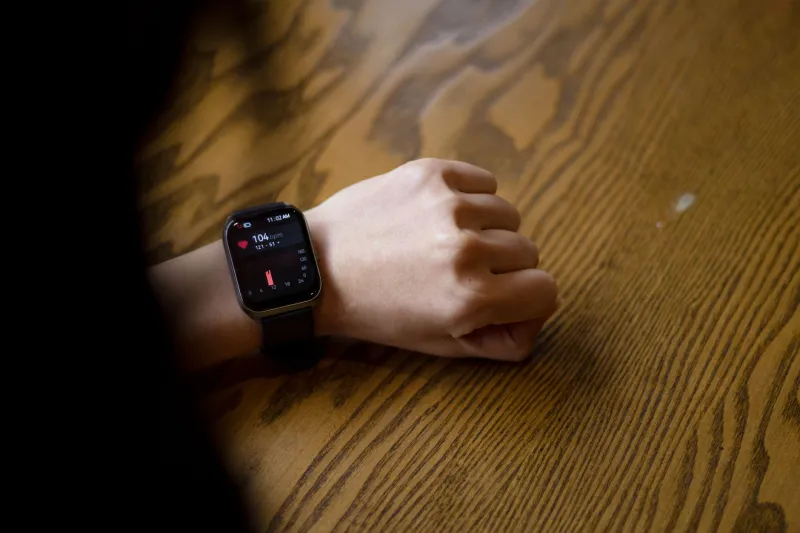
Heart rate monitoring is the foundation of almost every fitness metric these devices calculate — calories burned, stress scores, sleep stages, VO2 max estimates. If this number is off, everything downstream is off too.
During steady-state cardio (think: a 45-minute jog at a consistent pace), all six devices performed reasonably well. The Apple Watch and Garmin were within 2–3 BPM of a chest strap reference monitor. The Fitbit Charge 6 tracked closely during moderate effort. The Whoop drifted slightly more during transitions from rest to movement but averaged out well over longer sessions.
The budget trackers, though? During high-intensity intervals, the Amazfit Band 7 read 12–18 BPM higher than the reference monitor on multiple occasions. The no-name Amazon band was worse — it occasionally showed a resting heart rate of 110 BPM while we were sitting at a desk. For casual step-counting and general wellness awareness, that might not matter. For anyone training with heart rate zones, it's a dealbreaker.
Sleep Tracking: Surprisingly Competitive at Every Price Point
This was the category where budget devices closed the gap more than expected. All six devices tracked total sleep duration within 15–20 minutes of each other on most nights — which is roughly the accuracy ceiling for optical wrist-based sensors regardless of price.
Where premium devices earned their keep was in sleep stage detection. The Garmin's Body Battery feature and the Whoop's recovery score both showed meaningful correlation with how we actually felt the next morning. The Apple Watch's sleep staging improved noticeably with watchOS updates during the test period. Fitbit's sleep score remains one of the more readable and actionable summaries available.
The Amazfit Band 7 delivered basic sleep duration data but its REM vs. deep sleep breakdown felt almost random. The cheap Amazon band didn't even attempt sleep staging — it just told you how long you were asleep, which is something your phone's alarm could tell you anyway.
Battery Life: The Real Quality-of-Life Differentiator
No matter how accurate a device is, it's useless if it's dead on your nightstand at 2 AM. This is where the Apple Watch's reputation takes a real hit in daily use.
Over 90 days, the Apple Watch Series 9 needed charging every night — sometimes twice a day during heavy workout days with GPS. If you forget to charge it before bed, you lose your sleep tracking. That's a meaningful tradeoff for a $400 device.
The Garmin Forerunner 265 lasted 10–13 days between charges with GPS workouts factored in. The Fitbit Charge 6 managed 6–7 days. The Whoop, which runs on a sliding battery pack you charge while wearing the device, essentially eliminates battery anxiety entirely — clever design.
The Amazfit Band 7 hit 18 days on a single charge. The Amazon budget band claimed 30 days and delivered roughly 22. If battery life is your top priority, the budget options genuinely win — but you already knew what you were trading away.
App Ecosystems and AI-Powered Insights: The New Battleground
This is where the premium devices are increasingly trying to justify their price tags, and it's worth paying attention to.
Garmin's Connect app has gotten genuinely smarter. Its morning report and training readiness features use accumulated data to give recommendations that feel personalized rather than generic. Apple Health's integration with third-party apps remains the broadest ecosystem of any wearable — if you use an iPhone, the Watch plugs into your health data in ways no competitor matches.
Whoop leans hardest into the AI coaching angle. Its strain and recovery model, combined with a journal feature that correlates lifestyle inputs with recovery scores, is legitimately useful for athletes who want to optimize training load. It's subscription-based ($30/month or included with device purchase plans), which some users resent but others find worth it.
Fitbit's app has stagnated somewhat since Google's acquisition, though Google's integration is slowly adding value. The budget trackers' apps range from functional-but-boring (Amazfit's Zepp app is actually decent) to barely usable.
What Different Types of Users Actually Need
After 90 days, here's the honest breakdown:
Serious athletes and endurance runners → Garmin Forerunner 265. The GPS accuracy, training load analysis, and battery life combination is unmatched for the price ($349).
iPhone users who want a daily health companion → Apple Watch Series 9. The ecosystem integration, ECG, crash detection, and app depth make it the most versatile device tested, even if the battery situation is annoying.
Casual fitness enthusiasts who want actionable insights → Fitbit Charge 6 (~$160). Solid accuracy, readable app, and long enough battery life to not feel like a chore.
Recovery-focused athletes → Whoop 4.0. The subscription model is polarizing, but if you care about HRV, sleep quality, and training readiness, nothing else on this list is as focused on those metrics.
Budget-conscious beginners → Amazfit Band 7 (~$50). Accurate enough for general wellness, great battery, and the Zepp app is better than you'd expect.
Skip entirely → Generic Amazon bands under $45. Unless you genuinely only need step counts and a clock on your wrist.
Is the $300+ Price Jump Actually Worth It?
For most people? Not entirely. The accuracy gap between a $160 Fitbit and a $400 Apple Watch is real but not life-changing for general wellness tracking. Where premium devices earn their premium is in ecosystem depth, GPS reliability, health safety features (like AFib detection and fall alerts), and the software experience over time.
If you're training for a marathon, managing a chronic condition, or genuinely want your wearable to function as a health monitoring tool rather than a glorified step counter, spending more makes sense. If you just want to close some rings and feel vaguely guilty about skipping the gym, the Amazfit Band 7 will do the job at a fraction of the price.
The best wearable is the one you'll actually wear every day. And after 90 days of testing, that answer looks different for everyone.